Source dental preventive health care microbrush for Oral Health, Denture Processing, and Preventive Care
Find and compare 30 dental preventive health care microbrush options from Chinese manufacturers. Evaluate specifications like tip size, material, and packaging to select the right specialized instrument equipment for your dental department needs.
Key considerations
Products List




Comprehensive Sourcing Guide
Dental Preventive Health Care Microbrush Sourcing Guide
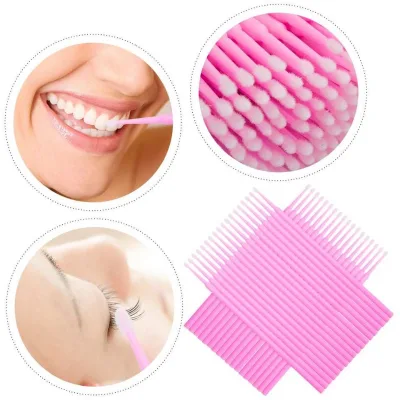
Sourcing dental preventive health care microbrushes requires a nuanced understanding of the diverse product landscape available from manufacturers, particularly those concentrated in regions like Jiangsu, Tianjin, and Hefei in China. These specialized instruments are not monolithic; they range from disposable micro applicators to shared instrument equipment, each serving distinct clinical or laboratory functions. Buyers must navigate a market where product attributes vary significantly, including nature, usage times, and specific models such as the Micro Applicator, TA601, or generic dental micro applicators. The core challenge lies in distinguishing between products designed for direct patient care, such as interdental cleaning, and those intended for laboratory processes like die making, model making, or orthodontic material handling.
To procure effectively, buyers must align their specific clinical or operational needs with the precise specifications offered by suppliers. The observed market includes items with varying diameters, lengths, and standard tip sizes, alongside different packaging configurations that impact logistics and storage. Understanding these variations is critical for ensuring that the purchased microbrushes meet the rigorous demands of oral health departments, dental departments, and oral surgery units. This guide provides a structured approach to evaluating these products, verifying technical details, and establishing reliable supply chains for dental preventive health care materials.
Product Scope and Observed Listing Signals
The product scope for dental preventive health care microbrushes encompasses a wide array of specialized instrument equipment, categorized by their nature and intended usage. Listings indicate the presence of both disposable and non-disposable variants, with some products explicitly labeled as interdental brushes or micro applicators. The applicable departments for these tools include the Oral Health Department, Dental Department, and Oral Surgery, suggesting a broad utility across preventive care, diagnostic procedures, and surgical support. Buyers should note that some products are classified as shared instrument equipment, which may imply reusability or a different sterilization protocol compared to single-use items, necessitating careful review of the product nature before ordering.
Observed listing signals reveal significant variability in product standards and physical attributes. Standards range from regular, fine, and ultrafine to cylinder shapes, as well as specific size designations like L, M, and S, or precise millimeter measurements such as 3.0mm, 2.5mm, and 1.0mm. Colors are diverse, including blue, yellow, pink, purple, white, black, and green, which can be useful for color-coding in clinical settings to prevent cross-contamination or to distinguish between different application types. Additionally, the material composition is noted as PVC for some items, which is relevant for buyers assessing material safety and compatibility with dental chemicals. These signals highlight the importance of specifying exact requirements to avoid receiving mismatched inventory.
Technical Specifications to Verify
When evaluating technical specifications, buyers must prioritize the dimensional accuracy and structural integrity of the microbrushes. Key parameters to verify include the length, diameter, and overall size of the applicator tips. For instance, some listings specify a length of 100mm and a diameter of 3mm, while others offer a range of sizes from 1.0mm to 3.0mm. The carton size and weight are also critical logistical details; observed data includes carton dimensions of 494026cm with a weight of 16kgs/CTN, or alternative packing configurations such as 38X45cm sizes. Verifying these physical attributes ensures that the products fit within existing storage facilities and align with the ergonomic needs of dental professionals during use.
Packaging and model identification are equally vital for inventory management and quality assurance. Products are often identified by specific models such as TA601, Orthodontics kits, or generic dental micro applicators. Packaging formats vary, with options including barrels, bags, or cartons, and quantities per unit ranging from 100 PCS/barrel to larger bulk packs. Some listings indicate 4 barrels per box with 32 or 40 boxes per carton, while others mention 100pcs/pack standards. Buyers should confirm the exact packing configuration to calculate total unit costs accurately and to ensure that the packaging protects the delicate bristles or applicator tips from damage during transit. Additionally, the availability of customization and OEM services should be verified if branded or specific design modifications are required.
Compliance and Safety Documentation
Compliance and safety are paramount when sourcing dental preventive health care materials, as these products come into direct contact with patients or sensitive dental environments. Buyers must request and verify certification documents, with CE marking being a prominent standard observed in the market. This certification indicates that the products meet European health, safety, and environmental protection standards, which is often a baseline requirement for international trade. However, buyers should not assume that all listed products hold this certification without explicit confirmation from the supplier, as compliance status can vary between different product lines and manufacturers.
Beyond basic certifications, buyers should inquire about adherence to broader quality management standards, such as ISO 13485, which is relevant for medical device manufacturers. While this standard is mentioned in background contexts, its application to specific microbrush products must be confirmed with the supplier. Documentation should also cover material safety, particularly for PVC-based items, ensuring that the materials are free from harmful additives like phthalates. Buyers should request material safety data sheets (MSDS) or biocompatibility reports to verify that the microbrushes are safe for use in oral health applications, especially for preventive care procedures that may involve prolonged contact with oral tissues.
Cost Drivers and Commercial Terms
Cost drivers for dental preventive health care microbrushes are influenced by several factors, including material quality, customization options, and order volume. The observed price range in the market is broad, spanning from $0.02 to $2.50 per unit, reflecting the diversity in product complexity and packaging. Higher costs may be associated with specialized models, finer tip standards, or customized packaging solutions. Buyers should consider the total cost of ownership, which includes shipping, handling, and potential customs duties, rather than focusing solely on the unit price. The availability of free samples can be a valuable tool for evaluating quality before committing to large orders, although buyers should clarify any associated shipping or handling fees.
Commercial terms, including minimum order quantities (MOQ) and shipping times, vary significantly among suppliers. MOQs range from 100 units to as high as 1,000,000 units, catering to both small clinics and large distributors. Shipping times are typically listed between 7 and 60 days, with some suppliers offering faster delivery options of 7 days for specific items. Buyers should negotiate clear terms regarding payment methods, return policies, and liability for damaged goods. Additionally, the shelf life of the products, which can be 3 years or 5 years depending on the item, should be considered to minimize waste and ensure that inventory is rotated effectively. Understanding these commercial dynamics helps in building a sustainable and cost-effective supply chain.
Supplier Qualification and Quality Control
Supplier qualification is a critical step in ensuring the reliability and consistency of dental preventive health care microbrushes. Buyers should verify the origin of the products, with common manufacturing locations including Jiangsu, Tianjin, and Hefei in Anhui, China. These regions are known for their manufacturing capabilities, but buyers must conduct due diligence to assess the supplier’s production capacity, quality control processes, and reputation. Requesting references or case studies from other dental professionals can provide insights into the supplier’s reliability and the consistency of their product offerings.
Quality control measures should be explicitly defined in the procurement agreement. Buyers should inquire about the supplier’s inspection protocols, including pre-shipment inspections and batch testing. Given the variability in product standards and specifications, it is essential to establish clear acceptance criteria for dimensions, material integrity, and packaging quality. Suppliers offering OEM services should demonstrate their ability to maintain strict quality standards while customizing products. Regular audits or third-party quality assessments may be necessary for high-volume purchases to ensure that the microbrushes consistently meet the required specifications and safety standards.
Long-Term Procurement Checks
Long-term procurement success depends on establishing robust relationships with suppliers and implementing continuous improvement strategies. Buyers should regularly review supplier performance metrics, including on-time delivery rates, product quality consistency, and responsiveness to issues. Maintaining open communication channels allows for timely resolution of any discrepancies or changes in product specifications. Additionally, buyers should stay informed about industry trends and regulatory changes that may impact the sourcing of dental preventive health care materials, ensuring that their procurement strategies remain compliant and competitive.
Inventory management and demand forecasting are also key components of long-term procurement. By analyzing usage patterns in oral health departments, dental departments, and oral surgery units, buyers can optimize order quantities and reduce excess stock. Monitoring the shelf life of products is crucial to prevent waste and ensure that only fresh, effective microbrushes are used in clinical settings. Furthermore, buyers should periodically reassess their supplier base to identify potential alternatives or improvements in technology and pricing. This proactive approach helps in maintaining a resilient supply chain that can adapt to changing market conditions and clinical needs.
FAQs
What certifications do dental preventive health care microbrushes have?
These specialized instruments typically carry CE certification for compliance with regional safety standards. They are designed for use in oral health and dental departments, ensuring that the materials meet necessary regulatory requirements for professional clinical environments and preventive care applications.
Can these microbrushes be customized for specific dental needs?
Yes, customization is available for many of these specialized instrument equipment items. Buyers can often request specific configurations or packaging adjustments to suit their operational requirements, ensuring that the tools align precisely with their clinical workflows and preventive health care protocols.
What is the typical shelf life of these dental micro applicators?
The shelf time for these products generally ranges from three to five years depending on the specific model and packaging. This longevity ensures that dental clinics can stock these preventive health care materials effectively without frequent replacement, maintaining consistent supply for ongoing patient treatments.
How are these microbrushes packaged for bulk orders?
Packaging typically involves barrels or bags containing specific counts, such as 100 pieces per barrel, with multiple barrels packed into boxes. These boxes are then consolidated into cartons, facilitating efficient storage and handling for dental departments requiring large quantities of interdental or preventive care tools.
What materials are used to make these dental microbrushes?
These instruments are commonly constructed from PVC material, providing durability and flexibility for various dental applications. The materials are selected to support uses in denture processing, orthodontic material handling, and general preventive health care, ensuring safe and effective interaction with oral tissues during procedures.
What is the minimum order quantity for these dental instruments?
The minimum order quantity typically starts at 100 units, allowing clinics to trial the products with manageable inventory levels. This entry point supports both small practices and larger facilities in sourcing specialized instrument equipment for oral surgery or general dental preventive health care needs.